

10 Foot Conditions That Can Derail Your Fitness Goals
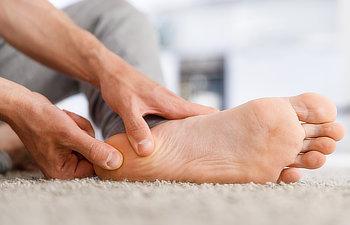
Keeping fit and active is essential for maintaining overall health and well-being. However, foot conditions can sometimes derail fitness goals, causing discomfort, pain and limitations in physical activity. Whether you are a dedicated athlete or someone striving to lead a more active lifestyle, it is crucial to be aware of common foot conditions that can impact your ability to exercise effectively. Here are 10 conditions that may need treatment from our orthopedic team at DOCS Health to keep you on your feet and on track to achieving your fitness goals.
1. Plantar Fasciitis
Plantar fasciitis is a common cause of heel pain, characterized by inflammation of the plantar fascia – the thick band of tissue that connects the heel to the toes. It often presents as a sharp pain in the heel or arch of the foot, particularly upon waking or after prolonged periods of standing or walking. Plantar fasciitis can make activities such as running or walking uncomfortable and may require rest, stretching, and supportive footwear for relief.
2. Achilles Tendinitis
Achilles tendinitis occurs when the Achilles tendon, which connects the calf muscles to the heel bone, becomes inflamed or irritated. It typically causes pain and stiffness in the back of the heel, particularly during physical activity. Achilles tendinitis can result from overuse, improper footwear or tight calf muscles. Rest, stretching and gradual return to activity are key components of treatment.
3. Metatarsalgia
Metatarsalgia is a condition characterized by pain and inflammation in the ball of the foot, often beneath the metatarsal heads. It can be caused by factors such as high-impact activities, ill-fitting footwear or foot deformities. Symptoms may include aching, burning, or sharp pain in the forefoot, particularly during weight-bearing activities like walking or running. Cushioned insoles, proper footwear and avoiding high-impact exercises can help alleviate discomfort.
4. Bunions
Bunions are bony protrusions that form at the base of the big toe, causing it to deviate towards the other toes. They can be painful and make it difficult to wear certain types of shoes or engage in activities that require toe flexibility. Bunions may develop due to genetics, wearing tight shoes, or underlying foot deformities. Padding, orthotic inserts, and wearing shoes with a wide toe box can provide relief from bunion-related discomfort.
5. Hammer Toes
Hammer toes are a deformity characterized by abnormal bending of the toes, resulting in a claw-like appearance. They can cause pain, discomfort, and difficulty wearing shoes, particularly in the affected toes’ joints. Hammer toes may be caused by muscle imbalances, nerve damage, or wearing ill-fitting footwear. Treatment options include splinting, stretching exercises, and wearing shoes with a roomy toe box.
6. Stress Fractures
Stress fractures are small cracks or fissures in the bones of the foot, typically caused by repetitive stress or overuse. They often occur in weight-bearing bones such as the metatarsals and can be accompanied by localized pain, swelling and tenderness. Stress fractures are common in athletes who engage in high-impact activities like running or jumping. Rest, immobilization and gradual return to activity are essential for proper healing.
7. Peroneal Tendonitis
Peroneal tendonitis is a condition characterized by inflammation or irritation of the peroneal tendons, which run along the outside of the lower leg and behind the ankle. It often occurs due to overuse or repetitive stress, such as running, jumping or activities that involve frequent ankle movement. Common symptoms include pain, swelling and tenderness along the outside of the ankle or beneath the foot. Peroneal tendonitis can make walking, running or participating in sports uncomfortable and may worsen with activity.
8. Flat Feet (Pes Planus)
Flat feet, or pes planus, is a condition characterized by the absence or collapse of the foot’s arch, resulting in a flattened appearance. It can cause pain, fatigue, and instability in the feet and ankles, particularly during weight-bearing activities. Flat feet may be congenital or develop over time due to factors such as injury, obesity or aging. Arch supports, supportive footwear and exercises to strengthen the foot muscles can help alleviate symptoms.
9. Morton’s Neuroma
Morton’s neuroma is a painful condition that affects the nerves between the toes, typically the third and fourth toes. It can cause a burning or tingling sensation, as well as sharp, shooting pain in the ball of the foot. Morton’s neuroma may be exacerbated by wearing tight shoes or engaging in high-impact activities. Treatment options include wearing shoes with a wider toe box, orthotic inserts, and corticosteroid injections.
10. Tarsal Tunnel Syndrome
Tarsal tunnel syndrome is a compression neuropathy that occurs when the posterior tibial nerve is compressed as it passes through the tarsal tunnel – a narrow space on the inside of the ankle. It can cause pain, numbness, and tingling in the foot and ankle, as well as weakness or difficulty moving the toes. Tarsal tunnel syndrome may be exacerbated by activities that involve repetitive ankle movements or prolonged standing. Treatment options include rest, immobilization, physical therapy, and, in severe cases, surgery to relieve pressure on the nerve.
Foot conditions can significantly impact your ability to pursue fitness goals and maintain an active lifestyle. Whether you are dealing with heel pain, toe deformities, or stress fractures, it is essential to address these issues promptly and seek appropriate treatment from an orthopedic specialist to prevent further complications and stay on track with your fitness journey. Consulting with an orthopedic specialist at DOCS Health can help you develop a personalized treatment plan tailored to your specific needs and goals, allowing you to overcome foot-related obstacles and achieve optimal health and well-being. Call our clinic in Los Angeles, CA, to schedule a foot pain evaluation.
Posted on behalf of
8436 W. 3rd St, Suite 800
Los Angeles, CA 90048
Phone: (424) 800-3627
Email: info@docshealth.com
Monday – Friday
8:00 AM – 5:00 PM