

Common Knee Injuries for Young Athletes
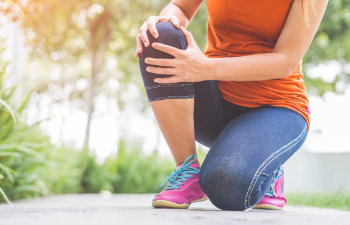
As school sports ramp up this fall, young athletes will be facing the possibility of sports injuries. Knee injuries are prevalent among athletes of all ages, but they can be particularly concerning when they occur in young athletes. The developing musculoskeletal system and growing bodies of adolescents and teenagers make them more susceptible to certain types of knee injuries. Understanding the common knee injuries in young athletes, their causes, symptoms, and prevention strategies is essential to ensure their long-term health and athletic success.
1. Anterior Cruciate Ligament (ACL) Tears:
ACL tears are among young athletes’ most frequent knee injuries, particularly in sports like soccer, basketball, and football. The ACL is a ligament that stabilizes the knee joint, and tears can occur due to sudden twisting or hyperextension of the knee. Female athletes are often at a higher risk of ACL tears than their male counterparts.
Causes:
- Rapid changes in direction or deceleration during play.
- Awkward landings from jumps.
- Collisions or direct blows to the knee.
Symptoms:
- Immediate pain and swelling.
- A popping sound or sensation at the time of injury.
- Difficulty bearing weight on the affected leg.
- Instability and a feeling of the knee “giving way.”
Prevention:
ACL injury prevention programs, including strength training and neuromuscular training, can help reduce the risk. Additionally, ensuring proper technique in landing, pivoting, and cutting movements is crucial.
2. Patellofemoral Pain Syndrome (PFPS)
PFPS, often referred to as “runner’s knee,” is a common knee problem in young athletes involved in running, jumping, or sports requiring frequent direction changes. It involves pain around or behind the patella (kneecap) and can result from overuse, muscle imbalances, or abnormal patellar tracking.
Causes:
- Overuse from repetitive knee movements and activities.
- Weakness or imbalance in thigh muscles.
- Poor biomechanics, such as flat feet or inward-turning knees.
Symptoms:
- Dull, aching pain around or behind the kneecap.
- Pain that worsens with activities like running, jumping, or squatting.
- Swelling around the knee.
- Crepitus (cracking or popping sensations) in the knee.
Prevention:
Strengthening exercises for the quadriceps and hip muscles can help prevent PFPS. Proper footwear and addressing any biomechanical issues can also be beneficial.
3. Osgood-Schlatter Disease:
Osgood-Schlatter disease is a condition that primarily affects adolescents during their growth spurt. It involves inflammation of the patellar tendon attachment on the tibial tuberosity, resulting in pain and swelling just below the kneecap. It is commonly seen in young athletes engaged in sports that involve running and jumping.
Causes:
Repetitive stress on the growth plate during activities like running, jumping, and kneeling.
Rapid growth during adolescence.
Symptoms:
Pain, tenderness, and swelling below the kneecap.
Worsening pain with activity.
A visible bump or prominence at the tibial tuberosity.
Prevention:
Rest and activity modification combined with quadriceps and hamstring strengthening exercises can help manage symptoms. In some cases, a knee brace or strap may be recommended.
4. Patellar Tendonitis (Jumper’s Knee)
Patellar tendonitis, commonly known as “jumper’s knee,” is an overuse injury that affects young athletes engaged in sports involving jumping and explosive movements. It involves inflammation and microtears in the patellar tendon, which connects the kneecap to the shinbone.
Causes:
- Overuse from repetitive jumping and landing.
- Rapid increases in training intensity or volume.
Symptoms:
- Pain just below the kneecap, especially during and after activity.
- Tenderness and swelling at the patellar tendon insertion.
Prevention:
Rest, ice, and rehabilitation exercises that strengthen the quadriceps and improve flexibility can help manage patellar tendonitis. Proper warm-up and cool-down routines are also essential.
5. Growth Plate Injuries
In young athletes, the growth plates at the ends of bones are susceptible to injury, especially during periods of rapid growth. Growth plate injuries can occur in various parts of the body, including the knee, and can disrupt normal bone development.
Causes:
Trauma or direct impact to the knee.
Repetitive stress on the growth plate during sports activities.
Symptoms:
Pain, swelling, and tenderness near the affected growth plate.
Limited range of motion.
Changes in limb length or alignment.
Prevention:
Avoiding high-impact activities that can stress the growth plates during periods of rapid growth is key. Young athletes should engage in sports and activities that match their developmental stage and skill level.
Young athletes are at risk for various knee injuries due to their active lifestyles and developing musculoskeletal systems. Understanding the common types of knee injuries, their causes, symptoms, and prevention strategies is crucial for young athletes, their parents, and coaches. While many knee injuries can be managed with conservative treatments, some more severe injuries may require orthopedic therapies or possibly surgery. Contact our team at DOCS Health if you have a young athlete with a severe knee injury – we offer innovative sports medicine treatments at our medical center in Los Angeles, CA.
Posted on behalf of
8436 W. 3rd St, Suite 800
Los Angeles, CA 90048
Phone: (424) 800-3627
Email: info@docshealth.com
Monday – Friday
8:00 AM – 5:00 PM