

Hip Pain and Limited Mobility: 7 Common Causes
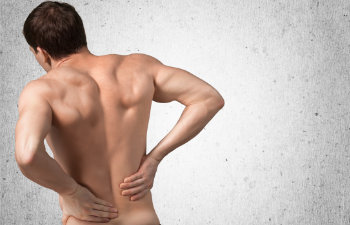
Hip pain and limited mobility can disrupt everyday activities, making it difficult to walk, sit, or even rest comfortably. At DOCS Health in Los Angeles, CA, we understand the impact that chronic hip pain and restricted movement can have on your life. Numerous conditions can contribute to hip discomfort, and understanding the underlying cause is essential for effective treatment. Let’s explore some of the most common causes of hip pain and mobility issues, from arthritis to hip impingement, and how they affect the body.
1. Bursitis
Bursitis is an inflammation of the bursa—a small, fluid-filled sac that acts as a cushion between bones, tendons, and muscles around the joints. In the hip, the trochanteric bursa is commonly affected, leading to pain on the outer side of the hip. Bursitis often results from repetitive motion or prolonged pressure on the hip, such as from running, standing for long periods, or lying on one side. Symptoms include sharp or aching pain that may worsen with activity, making it difficult to move the hip comfortably.
Treatment typically includes rest, anti-inflammatory medications, and physical therapy. In severe cases, corticosteroid injections may be used to reduce inflammation, providing relief and improving mobility.
2. Loose Bodies
Loose bodies are small fragments of bone or cartilage that become dislodged within the hip joint, often due to injury or degenerative conditions. These fragments can float freely in the joint, causing discomfort, clicking sensations, and even joint locking. When loose bodies interfere with the smooth movement of the joint, they can significantly restrict mobility and cause persistent hip pain.
If loose bodies are identified as the cause of pain, arthroscopic surgery may be recommended to remove them, restoring joint function and reducing pain.
3. Torn Labrum
The labrum is a ring of cartilage surrounding the hip socket that helps stabilize the joint. A torn labrum can occur due to trauma, repetitive twisting motions, or structural abnormalities in the hip joint. Symptoms include pain in the groin or outer hip, a catching or locking sensation, and reduced range of motion. This condition is especially common in athletes and those who engage in activities that require repetitive hip movements.
Treatment options may involve physical therapy to strengthen surrounding muscles and improve joint stability. In cases where pain and mobility issues persist, arthroscopic surgery can repair the torn labrum, restoring hip function.
4. Arthritis
Osteoarthritis and rheumatoid arthritis are leading causes of hip pain, especially in older adults. Arthritis causes the protective cartilage within the hip joint to break down, leading to pain, stiffness, and inflammation. Osteoarthritis is typically age-related, while rheumatoid arthritis is an autoimmune condition that can affect people of all ages.
Arthritis-related hip pain is often characterized by stiffness and difficulty moving the joint, especially in the morning or after prolonged periods of inactivity. Treatment focuses on managing pain and slowing joint deterioration through anti-inflammatory medications, physical therapy, and, in severe cases, joint replacement surgery.
5. Hip Impingement (Femoroacetabular Impingement)
Femoroacetabular impingement (FAI) occurs when the bones of the hip joint are abnormally shaped, causing them to rub together during movement. This friction can damage the labrum and cartilage, leading to pain and restricted movement over time. There are two main types of FAI:
- Cam impingement: Abnormal bone growth on the femoral head (the ball of the hip joint).
- Pincer impingement: Excess bone growth on the acetabulum (the socket of the hip joint).
Hip impingement often causes groin pain that worsens with activity and can limit the joint’s range of motion. Treatment may involve rest, physical therapy, and anti-inflammatory medications. If conservative treatments fail, surgery can reshape the bones and alleviate pain.
6. Hip Instability
Hip instability refers to a condition where the hip joint becomes loose or unstable, often due to ligament laxity, trauma, or structural abnormalities. This instability can cause the hip to feel as though it may “give out,” leading to pain, discomfort, and limited movement. Athletes and those with a history of hip dislocations or hypermobility are at higher risk for hip instability.
Physical therapy focusing on strengthening the muscles around the hip can help improve stability. In more severe cases, surgical intervention may be necessary to tighten or reconstruct the ligaments, restoring joint stability and function.
7. Tendonitis
Tendonitis is the inflammation of tendons connecting muscle to bone and is often caused by overuse or repetitive strain. In the hip, hip flexor tendonitis is common, resulting from activities like running, cycling, or prolonged sitting. Symptoms include pain in the front of the hip, particularly during activities that engage the hip flexors, such as climbing stairs.
Treatment for tendonitis usually includes rest, ice, anti-inflammatory medications, and physical therapy to strengthen the affected area and prevent further strain.
Seeking Treatment at DOCS Health
If you’re experiencing hip pain and limited mobility, it’s essential to seek an accurate diagnosis and personalized treatment plan. At DOCS Health in Los Angeles, CA, our experienced team offers comprehensive evaluation and treatment options tailored to each patient’s unique needs. From non-invasive therapies like physical therapy and injections to minimally invasive procedures, we are dedicated to restoring comfort and mobility to those suffering from hip issues.
Why Choose DOCS Health?
At DOCS Health, we take a patient-centered approach, focusing on relieving pain, restoring function, and improving quality of life. Our orthopedic and pain management team utilizes the latest advancements in orthopedic care to provide effective, targeted treatments that address the root cause of your hip pain.
If hip pain and limited mobility are affecting your daily life, contact DOCS Health to schedule a consultation. Let us help you take the first step toward a pain-free, active lifestyle.
Posted on behalf of
8436 W. 3rd St, Suite 800
Los Angeles, CA 90048
Phone: (424) 800-3627
Email: info@docshealth.com
Monday – Friday
8:00 AM – 5:00 PM