

What Is Causing Pain Behind My Heel?
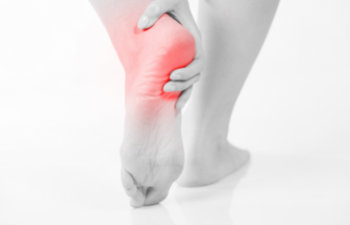
Experiencing pain behind your heel can make everyday activities like walking, standing, or exercising uncomfortable and difficult. This type of pain can range from mild to severe and is often accompanied by redness, swelling, and tenderness. In some cases, a noticeable lump may appear on the back of the heel. If you are dealing with persistent pain in this area, understanding the potential causes and treatment options can help you find relief. At DOCS Health in Los Angeles, CA, we specialize in diagnosing and treating a wide range of conditions that cause heel pain.
Common Causes of Pain Behind the Heel
Several factors can lead to pain at the back of the heel. Here are some of the most common causes:
1. Poor-Fitting Footwear
Shoes that are too tight or have inadequate support can place excess pressure on the back of the heel, leading to irritation and inflammation. This is particularly common with shoes that have hard, rigid backs, such as certain athletic or dress shoes. The repeated friction between the shoe and the heel can cause discomfort and even lead to the formation of heel spurs or blisters.
2. Achilles Tendinitis
The Achilles tendon connects the calf muscles to the heel bone and plays a crucial role in walking, running, and jumping. Overuse, such as from excessive exercise or tight calf muscles, can cause Achilles tendinitis, leading to pain and inflammation at the back of the heel. This condition often occurs in athletes or people who suddenly increase their physical activity levels.
Symptoms of Achilles tendinitis include:
- Pain that worsens with activity
- Stiffness in the morning or after rest
- Swelling or a thickened area along the tendon
Without proper treatment, chronic Achilles tendinitis can lead to Achilles tendinosis, a degenerative condition that weakens the tendon.
3. Retrocalcaneal Bursitis
Behind the heel bone, there is a small fluid-filled sac called the retrocalcaneal bursa. This bursa helps reduce friction between the Achilles tendon and the heel bone. However, repetitive stress or pressure on this area can cause bursitis, leading to pain, swelling, and inflammation at the back of the heel.
Retrocalcaneal bursitis is often aggravated by physical activity or wearing shoes with hard backs. It can cause tenderness and a swollen, warm area around the back of the heel.
4. Haglund’s Deformity
Haglund’s deformity, sometimes referred to as a “pump bump,” is a bony growth that develops on the back of the heel. This condition is often caused by wearing tight or high-heeled shoes that put pressure on the heel. The deformity can irritate the surrounding soft tissues, leading to pain, swelling, and redness. People with high arches or tight Achilles tendons may be more prone to developing this condition.
Diagnosis and Treatment Options
At DOCS Health, we take a comprehensive approach to diagnosing and treating heel pain. During your consultation, our specialists will conduct a physical exam and may order imaging tests, such as X-rays or ultrasound, to identify the cause of your pain. Once a diagnosis is made, we will develop a personalized treatment plan to alleviate your symptoms and promote healing.
In most cases, heel pain can be successfully treated with non-surgical therapies. Common treatment options include:
1. Anti-Inflammatory Medications
Over-the-counter nonsteroidal anti-inflammatory drugs (NSAIDs), such as ibuprofen or naproxen, can help reduce pain and inflammation in the affected area. Your doctor may also recommend topical anti-inflammatory creams for targeted relief.
2. Physical Therapy
Stretching and strengthening exercises can improve flexibility in the Achilles tendon and calf muscles, reducing tension on the back of the heel. Physical therapy may also include techniques such as massage, ultrasound therapy, and heat/cold therapy to promote healing.
3. Shoe Modifications and Inserts
Wearing properly fitting shoes with good arch support and cushioned heels can alleviate pressure on the back of the heel. In some cases, custom orthotics or heel lifts may be recommended to reduce stress on the Achilles tendon and bursa.
4. Rest and Activity Modification
Avoiding activities that aggravate your heel pain, such as running or jumping, can give your body time to heal. During this period, low-impact exercises like swimming or cycling may be suggested to maintain physical fitness without worsening your symptoms.
5. Corticosteroid Injections
For severe inflammation that does not respond to other treatments, corticosteroid injections may be administered to provide short-term relief. However, these injections should be used cautiously, as repeated use can weaken the Achilles tendon over time.
When Is Surgery Necessary?
In rare cases where conservative treatments are ineffective, surgery may be required to address the underlying cause of heel pain. Surgical options can include removing bone spurs, repairing a damaged Achilles tendon, or draining an inflamed bursa. Our team will thoroughly discuss all available options to help you make an informed decision about your care.
Find Relief from Heel Pain at DOCS Health
If you are struggling with pain behind your heel, you don’t have to live with discomfort. At DOCS Health in Los Angeles, CA, our experienced team is here to provide expert diagnosis and customized treatment to help you get back on your feet. Contact us today to schedule your consultation and take the first step toward lasting pain relief.
Posted on behalf of
8436 W. 3rd St, Suite 800
Los Angeles, CA 90048
Phone: (424) 800-3627
Email: info@docshealth.com
Monday – Friday
8:00 AM – 5:00 PM